
Don’t Mistake Luck Rituals for Better Performance
Luck Method for Athletes: Edge or Placebo? 3 useful labels: ritual, placebo, or real prep, depending on the sport and the task. American athletes can use it well.
Practical strategies and insights to improve perception, intuition, resilience, and decision-making, helping you create more opportunities and be luckier every day
Explore practical skills that help you notice, create, and act on promising opportunities.
Learn how attention, curiosity, and social exposure affect the opportunities you notice. Use research-informed habits to spot useful signals in everyday situations.
Improve choices under uncertainty with clear frameworks and behavioral insights. Practice separating helpful intuition from assumptions, bias, and impulsive reactions.
Discover how resilient thinking can turn setbacks into information and next steps. Build routines that support recovery, persistence, and adaptive problem-solving.
Understand why conversations, generosity, and diverse networks often lead to unexpected openings. Find practical ways to create stronger connections without forcing outcomes.
Find the most recent and relevant articles

Luck Method for Athletes: Edge or Placebo? 3 useful labels: ritual, placebo, or real prep, depending on the sport and the task. American athletes can use it well.

Blindspot hidden biases of good people shape choices, distort judgment, and can be reduced with simple daily checks.

Can habits really boost luck? A research-backed guide to better odds, smarter choices, and daily actions that help.
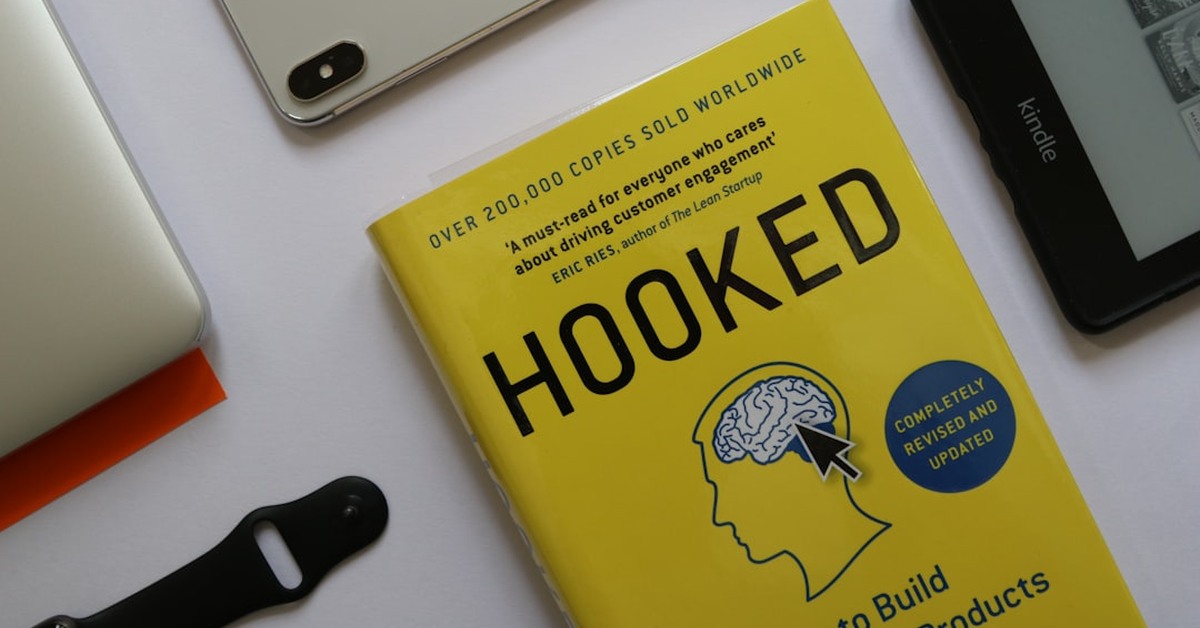
Luck Method vs Habit Trackers for Personal Growth is clearer when you want real change: habit trackers usually drive more reliable progress, better.

What happens if you apply luck method to personal finance decisions? You lower mistakes, manage uncertainty, and make money choices less fragile.

Systematic freelancing usually beats luck-based side hustles for dependable income because repeatability beats randomness.

Discover when luck or structure works best for remote work and boost productivity with the right method—learn more now.

Which books, courses, and researchers on luck are worth your time, and which are not?

Probability and risk assessment psychology explains how people judge uncertainty; low risk is not no risk, and 30% still means 3 in 10.
Readers value the grounded approach to building habits that create more possibility.
"I stopped treating luck as something that just happens to other people. The articles helped me pay closer attention to conversations and follow up on opportunities I would have ignored."
"The explanations are straightforward and do not promise miracles. I have become more deliberate about decisions and much better at learning from plans that do not work out."
"I appreciate the focus on evidence and practical exercises. Changing a few small habits made me feel more prepared, more connected, and less stuck when challenges came up."
Clear answers for skeptical readers who want useful, research-informed guidance.
Explore evidence-based insights that strengthen awareness, resilience, intuition, and everyday decision-making.